
The Sorry Text I Wrote Seven Times Before Sending
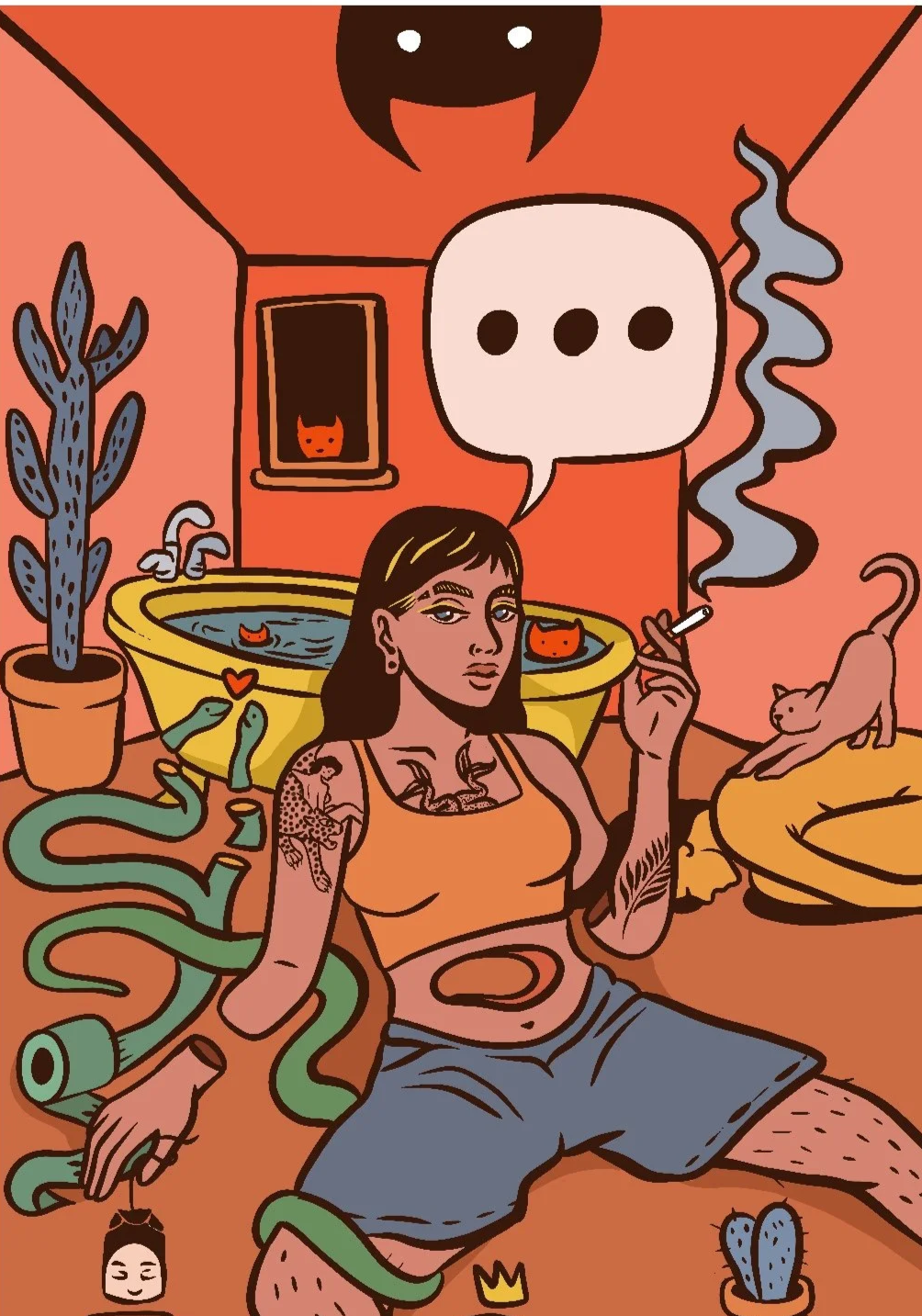
Here is what a flare day actually looks like, from the inside.
You wake up and you know immediately. Before you’ve looked at your phone or thought about the day ahead, your body has already filed its report. It’s not always dramatic, and doesn’t have to be, sometimes it’s not a sharp pain so much as a weight, a wrongness, a sense that everything is happening slightly underwater. But you know. You’ve learned to know.
And then comes the second thing, right behind it, almost before the first thought has finished: I’m going to have to cancel.
If you don’t have a chronic illness, you might not understand why that second realisation is sometimes harder than the pain itself. Let me try to explain.
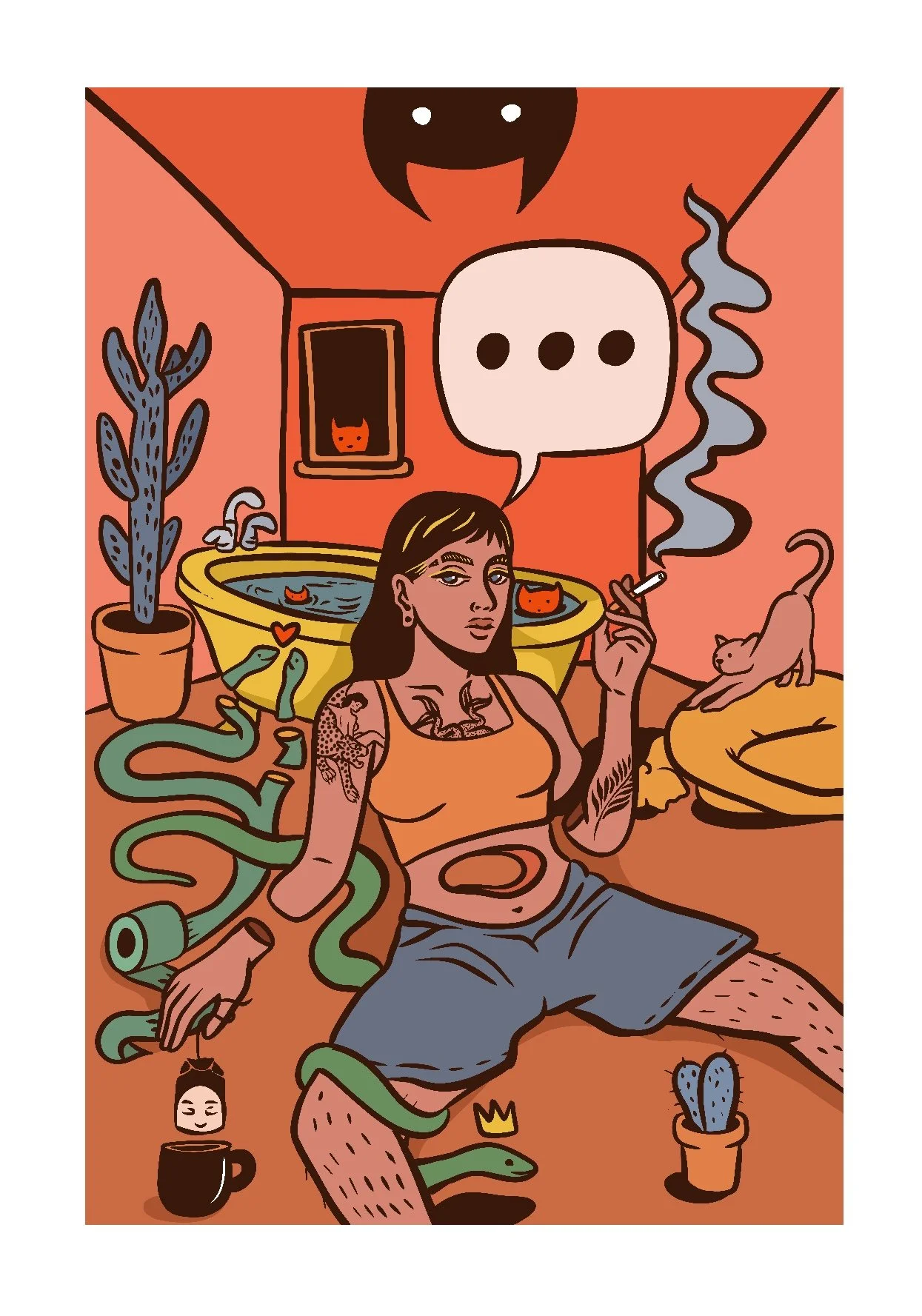
It’s not just that you’re disappointed, although you are, genuinely, because you were looking forward to it, because you’d been planning it, because you’d maybe even been pacing yourself for days beforehand to make sure you could go. It’s the guilt that arrives with it, fully formed, like it’s been waiting. The immediate, reflexive conviction that you are letting someone down. That you are, on some level, a person who cannot be relied upon. That this is your fault.
None of that is true. But the guilt doesn’t really care about true.
So you pick up your phone and you start the text.
“Hey, I’m so sorry, I’m not going to be able to make it today…”
Delete. Too abrupt.
“I’m really sorry, I’ve been really looking forward to this but I’m not feeling well and…”
Delete. ‘Not feeling well’ sounds like a cold. This is not a cold.
“I’m so sorry, my body is doing the thing again and I just can’t…”
Delete. Too vague. They’ll worry.
You write it seven times. Maybe more. You use the word ‘sorry’ in every single version, often multiple times, as though the sheer volume of apology might somehow make the cancellation less of a cancellation. As though if you just explain yourself thoroughly enough, precisely enough, with enough visible remorse, the other person will receive it and think: ah yes, sufficient guilt has been demonstrated, we will allow this.
Eventually you send something. You put your phone face-down. And then the spiral really starts.
Are they annoyed? They’re probably annoyed. They probably think you’re unreliable. They probably think you cancel all the time and maybe you do cancel a lot, more than you used to, more than you want to, and that thought opens its own trapdoor. You used to be the person who showed up. You used to be the one who made plans and kept them and didn’t have to do this elaborate internal calculus every single time. You grieve that person a little. You lie there and you grieve her.
Here’s what I’ve been slowly, imperfectly learning: cancelling because your body needs you to is not a character flaw. It is not a moral failing. It is not something that requires seven apologies and a detailed explanation and three days of guilt aftermath. Your body is not misbehaving to inconvenience anyone. It is just a body, doing its difficult thing, and you are doing your best inside it.
The people who matter, the ones worth keeping, already know this. They’re not keeping a tally. They don’t need the seven-draft apology. They need you to rest, and they’d tell you so if you’d let them.
You are allowed to cancel without performing sufficient suffering first. You are allowed to just say I can’t today and have that be enough.
Chronic illness already takes enough from you. Don’t let the guilt take the rest.
On Cancelling Without Collapsing Into Apology
Not medical advice, just things I’m still learning.
You don’t owe anyone a detailed medical explanation. ‘I’m not well enough today’ is a complete sentence.
One ‘sorry’ is enough. If you find yourself apologising more than once in the same message, that’s the guilt talking, not the situation requiring it.
Rest on a flare day without filling it with productive guilt. Your only job is to get through it.
If someone reacts badly to you cancelling because you’re unwell, that is information about them, not confirmation of your fears about yourself.
Notice the spiral when it starts. You don’t have to stop it immediately, just naming it (‘ah, there’s the guilt’) can take some of its power away.
The people who love you are not secretly keeping score. Let them show you that.
The Quiet Support Project | thequietsupportproject.com
